From Station to Campsite: Planning the Journey

Good planning turns a distant idea into a smooth weekend under the stars. Start by pairing train timetables with campground booking windows, then layer on shuttles, bikes, or short walks for the last mile. Consider arrival times, station services, and daylight hours so you’re not pitching tents in the dark. Build in buffer time for scenic delays, and remember that park buses, seasonal shuttles, or rideshares can close the gap between station platforms, visitor centers, and the quiet loops where you’ll unroll your sleeping bag.

Pack Like a Pro for the Tracks

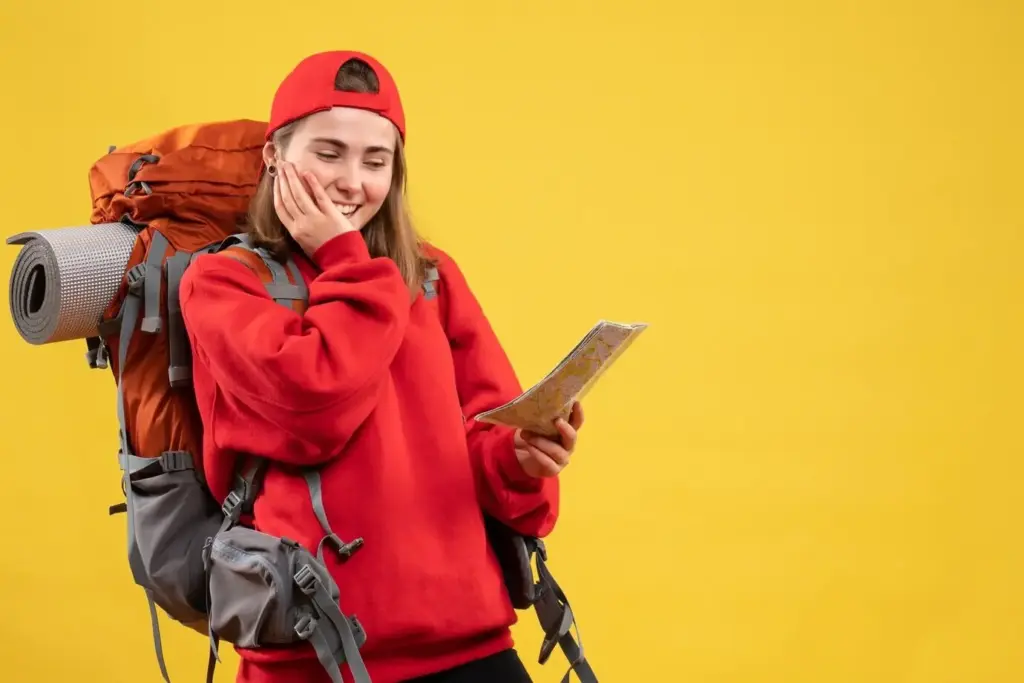
Rail travel rewards thoughtful, compact packing. Aim for a streamlined backpack that fits overhead or under the seat, plus a small daypack for station layouts and shuttle hops. Emphasize layers, quick‑dry fabrics, and a cozy sleep system that compresses small. Know the rules: fuel canisters and bear spray are prohibited on most passenger trains, so plan to buy restricted items near the park. Keep valuables tidy and accessible for inspections. The lighter you go, the freer you’ll feel moving from platform to pine grove.

Bags, Racks, and Stress‑Free Carry

A single, balanced pack shines on crowded platforms and narrow aisles, while compression sacks tame bulky items into neat shapes. Skip rigid coolers and heavy totes, favoring soft bags that slide easily into overhead spaces. Use bright pouches for essentials so tickets, headlamps, and snacks never disappear at the worst moment. Trekking poles collapse and strap securely outside, leaving interior room for warmth layers. This tidy approach minimizes shuffle time during transfers and helps you step off the train ready to walk, not repack.

Stoves, Fuel, and Restricted Items

Know before you go: most rail operators prohibit flammable fuel canisters, white gas, and bear spray. Pack your stove but purchase fuel near your destination, supporting local outfitters and avoiding confiscation. Choose a model compatible with widely available fuels, and bring fire‑safe habits for dry seasons. Pack scent‑free toiletries when traveling through bear country, and review park regulations for storage requirements. A small repair kit and windscreen improve reliability, while a lighter‑than‑air mindset keeps your boarding simple and your campsite kitchen wonderfully unhurried.

Parks You Can Reach by Rail: Real‑World Gateways

Linking station platforms to iconic landscapes is entirely possible with a little research. Select routes with dependable seasonal shuttles or well‑known third‑party transfers, then choose campgrounds close to stops or trailheads. Glacier’s high country unfurls from stations that feel like storybook depots, while Yosemite’s granite amphitheaters are an easy bus ride from valley camp loops. The Grand Canyon’s South Rim sits a shuttle away from rail connections in Flagstaff, inviting car‑free nights beneath endless constellations, red rock silhouettes, and familiar train horns humming in the distance.

Glacier National Park via the Empire Builder

Step off at West Glacier or East Glacier and you’re within reach of shimmering lakes, cedar forests, and big‑sky trail networks. Seasonal park shuttles and local operators often bridge the final distance to camps like Apgar, Fish Creek, or St. Mary. Weather shifts quickly here, so pack layers and respect alpine forecasts. Book early in summer, carry offline maps, and ask rangers about closures along Going‑to‑the‑Sun Road. Few arrivals feel more cinematic than watching mountains appear through your coach window, then walking straight toward them.

Yosemite Valley via Amtrak and YARTS

Ride Amtrak to Merced, transfer to YARTS, and roll directly into Yosemite Valley, where campgrounds sit near shuttle stops, trailheads, and river meadows. Reservations are crucial in peak months, and booking windows move quickly. Plan food storage carefully; bear‑resistant lockers are the norm. The valley shuttle unlocks iconic trails without a car, letting you greet dawn at Mirror Lake, wander to Vernal Fall, and return to a cozy tent beneath cathedral walls. Travel midweek for quieter platforms, smoother bus connections, and starrier nights.

Grand Canyon South Rim via Flagstaff Connections

Reach Flagstaff by train, then link to the South Rim using established shuttles or coach services that operate year‑round. Once inside the village, free park buses circulate between viewpoints, visitor centers, and Mather Campground, simplifying every step. Expect cooler nights and dry air, so carry extra water capacity and a warm hat. Sunrise along the rim rewards early risers who traveled light and smart, while evening rides back to camp glow with orange dust and train memories that still hum gently in your ears.

Sample Itineraries and Trail Stories

Transform timetables into memories with flexible plans that invite wonder, not rush. Build itineraries around daylight train segments, early camp check‑ins, and unhurried mornings for ranger chats or coffee beneath towering trees. Leave open blocks for weather changes and chance encounters—elk near a platform, or a seatmate sharing a favorite overlook. Small rituals help: a first‑night tea, a trail journal on the return ride, a promise to stargaze before checking messages. These moments turn logistics into lore and schedules into stories you’ll retell.

Three Days Among Glaciers and Larch

Day one: arrive at West Glacier, ride a shuttle to a lakeside campground, and wander a golden‑hour shoreline. Day two: an early bus to trailheads, layering miles through cedar stands and open views toward knife‑edged peaks. Day three: a relaxed breakfast, ranger talk, and an amble back to the station with bakery treats for the ride. Pack layers for unpredictable weather, keep snacks handy for connections, and listen for the river as you fall asleep, knowing tomorrow’s tracks will carry the story forward.

Four Days of Granite and River Mist

Catch an early train toward Merced, then YARTS into Yosemite Valley for a gentle first evening near your reserved site. Devote day two to waterfalls and shuttle‑linked trailheads, pacing yourself to savor granite glow. Day three, chase a sunrise viewpoint, picnic by the river, and watch climbers etch lines across cathedral walls. Day four is for coffee, ranger questions, and one last meadow stroll before the bus back. Travel light, respect food storage rules, and let the valley’s stone amphitheater echo softly all the way home.

Safety, Stewardship, and Smooth Travel

Traveling lightly means caring deeply for the places you visit and the people you meet on board. Follow Leave No Trace, store food properly, and tread with humility around wildlife and fellow campers. On trains, pack courteously, keep aisles clear, and offer help when you can. Expect weather swings, operational changes, or slow orders; flexibility transforms hiccups into scenery breaks. Carry layers, a small first‑aid kit, and offline info. The goal is simple: arrive with energy, leave with gratitude, and return as a better guest.

Wildlife, Canisters, and Peaceful Nights

Protect animals and your sleep by using bear‑resistant lockers and odor‑proof bags where required. Keep a clean camp, cook away from sleeping areas, and never leave food unattended. Respect distance guidelines for wildlife encounters, using binoculars rather than zooming feet. In the evening, quiet voices preserve the forest’s soundscape and help neighbors rest. These habits prevent conflicts, safeguard ecosystems, and ensure the memories you make are of bright stars and calm, not rattled nerves or late‑night rustles that could have been avoided.

Weather, Delays, and Flexible Plans

Build buffer time into departures and returns, especially in shoulder seasons. Carry a warm layer on board even in summer; air‑conditioning and drafts surprise tired travelers. Download schedules and maps for offline reference, then identify backup camps or layover cafés near stations. If storms arrive, consider lower trails, ranger programs, or museum visits until skies clear. Flexibility doesn’t dilute adventure; it protects it, turning delays into moments for journaling, stretching, and sipping something hot while the tracks ahead open patiently, mile by mile.

Questions to Ask Before You Go
Call or email park rangers to confirm shuttle timetables, campground operations, and food storage rules for your dates. Check railway baggage policies, bicycle reservations, and station facilities like water fountains or lockers. Ask outfitters about fuel availability and bear canister rentals. Save contact numbers offline, and screenshot confirmations. A single conversation can reveal trail closures, construction detours, or a smarter transfer with a better view. Curiosity reduces stress, aligns expectations, and turns bureaucratic details into a supportive framework for genuine, unplugged wonder.

Find Partners and Share Gear

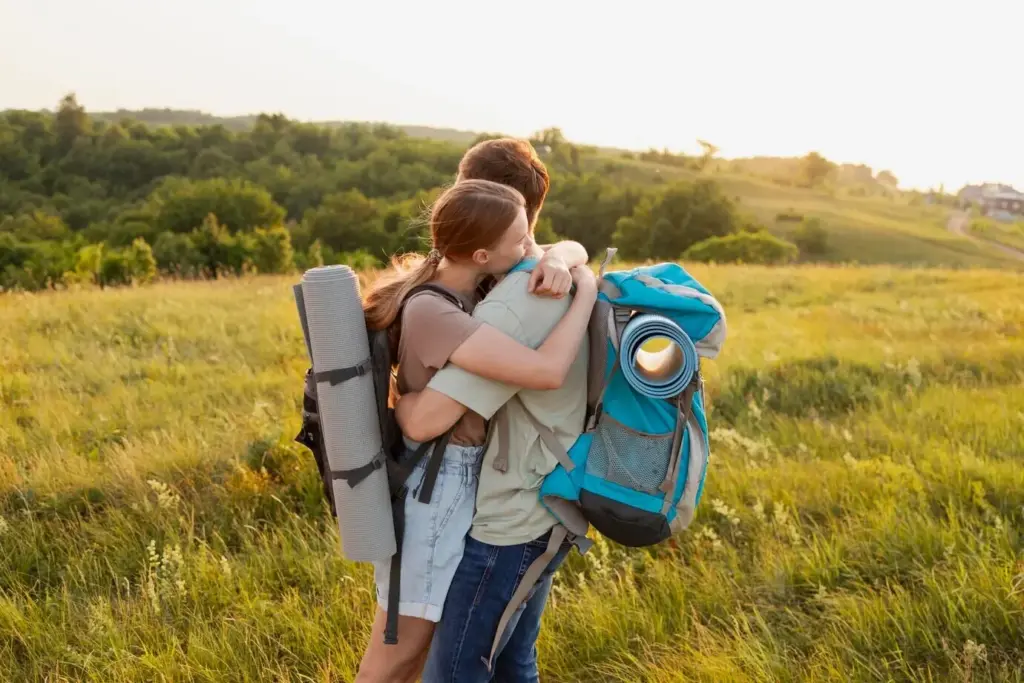
Travel pairs beautifully with shared stoves, group shelters, and split repair kits. Post your plans in local hiking clubs, online forums, or train‑loving communities to match dates and interests. Set expectations about pace, quiet hours, and campsite etiquette before tickets are booked. Shared loads lighten packs, unlock room for a little comfort, and build friendships that outlast timetables. When a storm rolls in or a transfer runs late, a teammate’s extra layer or spare cord becomes the difference between hassle and a great story.

Tell Us Where You’re Heading Next

Comment with your dream rail‑to‑camp link and the campground you most want to wake up in. Subscribe for monthly route spotlights, then send in trip reports so others can build on your discoveries. We love detailed notes—arrival times that worked, shuttle stops that saved effort, and that perfect overlook for morning coffee. Your voice helps map a kinder, lighter way to visit protected places, one platform at a time. Together we can keep tracks humming toward trailheads and quiet, respectful nights beneath generous skies.
Nonavolavoxuvamipive
Privacy Overview

This website uses cookies so that we can provide you with the best user experience possible. Cookie information is stored in your browser and performs functions such as recognising you when you return to our website and helping our team to understand which sections of the website you find most interesting and useful.